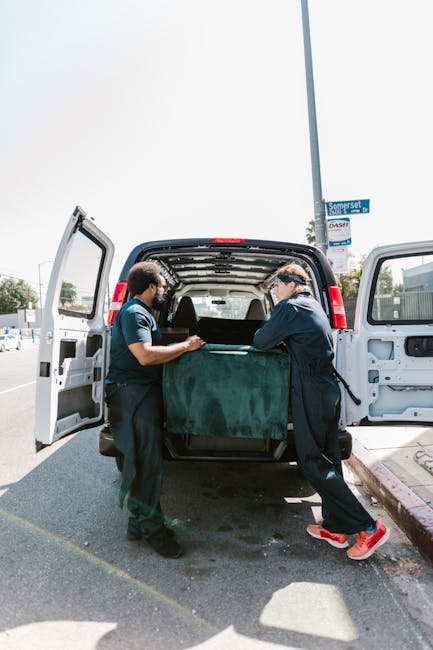
When lifts fail on moving day Enfield removals solutions: practical backup plans for a smoother Enfield move
Few things derail a moving day faster than a lift that simply stops cooperating. One minute the van is waiting, boxes are lined up, and everyone is trying to keep the hallway clear. The next, you are staring at a notice, a silent lift, or a half-finished job that suddenly feels a lot bigger. This guide on When lifts fail on moving day Enfield removals solutions explains what to do next, how experienced movers work around the problem, and how to keep your home or office move moving without turning the day into a scramble.
If you are moving in Enfield, a lift failure is not just inconvenient. It can affect timings, access, insurance expectations, and how safely bulky items are carried. The good news? There are sensible ways to handle it, and most of them are about planning, calm decision-making, and choosing the right removals support before the panic sets in.
Why When lifts fail on moving day Enfield removals solutions Matters
A lift failure changes the whole shape of a move. It affects speed, load handling, stair access, and the amount of physical effort needed from the team. In practical terms, what looked like a tidy one-trip move can become a multi-hour carry job. If you are on a tight handover schedule, that matters a lot. And if you are in a block of flats or an office building, it can ripple out to neighbours, reception staff, or building management too.
There is also a safety angle. A sofa, wardrobe, fridge, or filing cabinet that is easy to wheel through a lift can become awkward and risky on stairs. That is where sensible Enfield removals solutions come in: the right handling method, the right equipment, and a team that knows how to adjust quickly. To be fair, most moving-day problems are not dramatic. They are just annoying, tiring, and very time-sensitive. Which is exactly why a calm plan helps more than anything.
If you are moving home, office, or student accommodation, a failed lift can also affect the rest of the day. Delays build up. Parking windows narrow. Packing rhythm breaks. That is why good movers usually have a fallback plan ready before they arrive, not after the lift has already given up.
How When lifts fail on moving day Enfield removals solutions Works
When a lift stops working, the first job is not to force the move. It is to assess the situation properly. Experienced movers will look at the building access, the weight and shape of each item, stair width, floor surfaces, and whether it is safe to continue with manual carrying. They will also consider whether the lift is temporarily out of service or likely to remain unavailable for the rest of the day.
In many cases, the solution is a mix of smaller loads, protective equipment, and more careful scheduling. For example, lighter boxes may go first while bulky furniture is split down where possible. Stair carries may need extra hands. Protective covers, straps, gloves, and trolley adjustments become more important. Sometimes, a move needs a waiting period while building staff or engineers respond. Sometimes it needs a reroute entirely. There is no single fix, which is why local removals teams tend to work from options rather than assumptions.
If the job is complex, a good team may switch to one of the following approaches:
- carry items via stairs in a controlled sequence
- disassemble furniture before moving it
- use a different entrance or service route if one exists
- move some items into temporary storage until access is restored
- rebook part of the move as a same day removals response if time is critical
That last point is often the difference between chaos and control. Not glamorous, but useful.
Key Benefits and Practical Advantages
The biggest benefit is continuity. When a lift fails, you do not want the whole move to collapse with it. The right removals solution keeps the day moving in smaller, safer steps. That can protect your timings, lower the risk of damage, and reduce stress for everyone involved.
Another advantage is flexibility. A team used to moving without lift access can adapt far more quickly than someone who only planned for the "easy" route. They will know when to break down furniture, when to pause, and when to change the loading order. That is especially helpful in taller blocks, converted buildings, and offices where stair access is narrow or awkward.
There is also a hidden benefit people sometimes overlook: good contingency planning often protects relationships. If you are moving out of a flat, an office suite, or shared accommodation, the last thing you want is a bottleneck in the corridor or a row with building management. A controlled approach keeps things polite, efficient, and much less embarrassing. Let's face it, moving day already makes everyone a bit twitchy.
Here are the practical upsides in plain English:
- less disruption to the overall move schedule
- lower risk of dropped items and awkward handling
- better protection for walls, bannisters and door frames
- clearer communication with building staff or neighbours
- more realistic expectations about time and labour
Who This Is For and When It Makes Sense
This kind of support is useful for almost anyone moving in Enfield, but it becomes especially relevant in a few situations. If you are in a top-floor flat, a block with unreliable lift access, or a building where the lift is booked for moving windows only, you should assume there may be a problem before moving day even starts.
It also makes sense for people moving bulky or fragile items. A piano, heavy wardrobe, American-style fridge, or office filing equipment can be perfectly manageable in a lift, then suddenly awkward on stairs. That is where a service like piano removals or a well-planned furniture move becomes more than convenience; it becomes a safety choice.
Typical readers who benefit from this guidance include:
- flat renters and leaseholders
- homeowners in apartment blocks
- students moving in or out of shared buildings
- small businesses relocating equipment or stock
- office managers dealing with a broken service lift
- anyone with tight access, narrow stairs, or a strict deadline
If that sounds like your situation, you are not overreacting by planning for failure. You are being sensible.
Step-by-Step Guidance
When the lift fails, the best outcome usually comes from acting in a calm, logical order. Here is the process that tends to work best in real life.
- Confirm the problem. Check whether the lift is genuinely out of service, temporarily stuck, or simply unavailable because of maintenance or a booking conflict.
- Tell the removals team immediately. Good movers can only adapt if they know early. A ten-minute delay in communication can become a thirty-minute delay in action.
- Assess the route. Look at stair width, landings, corners, ceiling height, and any awkward fire doors or shared corridors.
- Sort the load by difficulty. Light boxes may be manageable first. Heavy, fragile, or oversized items may need extra handling or dismantling.
- Protect the building and the items. Use covers, wraps, corner protection, and proper lifting technique. This is not the moment to rush.
- Decide whether to continue, pause, or reschedule. If the move is unsafe or the delay is too long, a split move or storage option may be the smarter call.
A small real-world detail: on busy move days, the hardest part is often not lifting. It is waiting. Waiting for the lift engineer. Waiting for the go-ahead. Waiting for a neighbour to move a parked car. That pause can feel endless, especially in the rain, but it is usually better than forcing the issue.
Expert Tips for Better Results
Most lift-related problems become easier when you prepare for them before they happen. The trick is not to guess that everything will go right. The trick is to make "wrong" manageable.
1. Tell your removals company about lift risk in advance. If you already know the lift is unreliable, say so during booking. That allows the crew to plan staffing, tools, and timing properly. It also helps with pricing and quotes, because the quote can reflect the real access conditions rather than a best-case guess.
2. Dismantle what you can. Beds, table legs, shelves, and some wardrobes are often easier to move in parts. This sounds obvious, but you would be surprised how often people leave it too late. The extra ten minutes can save an hour later.
3. Keep a clear path. Shoes, bins, prams, bikes, and random hallway clutter all slow a carry down. A clean route is not a luxury. It is time saved and less chance of damage.
4. Build a backup plan for time-sensitive items. If you need a bed frame, documents, or work equipment first, tell the team. It is much easier to prioritise those items early than to dig for them later under a mountain of boxes.
5. Use a team that understands access issues. A move with no lift access is not the same as a simple van job. If you want the move to stay controlled, consider a more flexible option such as man and van support or a broader removal services approach, depending on scale.
Expert summary: the safest lift-failure response is usually not "push harder"; it is "re-plan faster". The sooner you reduce the load, clarify the route, and match the team to the building, the smoother the day tends to go.
Common Mistakes to Avoid
People usually do not make dramatic mistakes on moving day. They make small ones that compound. A few examples come up again and again.
- Ignoring the access issue until the movers arrive. That is when the day becomes expensive in time and energy.
- Trying to move oversized furniture without dismantling it. A few screws removed can make a huge difference.
- Forcing heavy items up or down stairs too quickly. That is how walls get scratched and backs get strained.
- Assuming the lift will be fixed "any minute now". Sometimes it will be. Sometimes it won't. Plan for the reality in front of you.
- Not checking building rules. Some blocks have move windows, padding requirements, or booking rules for lifts and loading bays.
- Underestimating the value of extra support. A more robust team, or a larger vehicle such as a removal van or moving truck, can be the difference between one controlled move and three tiring trips.
Also, a tiny but real one: people often forget water, snacks, and chargers. Not exactly glamorous advice, I know, but by hour three it matters.
Tools, Resources and Recommendations
The right equipment helps a lot when the lift is out of action. You do not need a warehouse full of specialist gear, but you do need sensible basics and the discipline to use them well.
Useful tools and supports often include:
- furniture blankets and padded covers
- strap systems for controlled carrying
- gloves with good grip
- box labels that separate fragile, heavy, and priority items
- document bags for IDs, contracts, and keys
- basic tools for dismantling beds and shelving
- temporary holding space through storage if the move needs a pause
For preparation, packing matters more than people expect. The right packing and boxes setup makes stair carries far easier because the loads are predictable and stackable. If you want to save your own energy, a full packing and unpacking services option can reduce the amount of handling on the day itself. That is especially useful when you are already dealing with a lift problem.
If the move is a business relocation, the same logic applies to computers, files, and office furniture. In that case, a specialist route such as office removals or broader commercial moves support can be far easier than improvising item by item.
Law, Compliance, Standards and Best Practice
Lift failures are usually a practical problem first, but there are still compliance and best-practice issues to keep in mind. In the UK, moving teams are expected to work safely, use suitable handling methods, and avoid putting people or property at unnecessary risk. That means planning the route, managing manual handling properly, and respecting building access arrangements.
If you are moving from a managed block, the building may also have its own rules about booking lifts, using protective coverings, or limiting move times. Those rules are not just admin. They are there to protect shared areas and reduce conflict between residents, contractors, and the move team.
From a removals perspective, it is sensible to work with a company that treats safety as part of the job rather than a box-ticking exercise. You can review a mover's approach to handling and protection in pages such as health and safety policy and insurance and safety. For payment expectations and the general service relationship, it is also worth reading terms and conditions and payment and security.
If something goes wrong with service quality, it is reassuring to know there is a formal route for feedback. That kind of clarity matters, especially on a day where stress levels can already be a bit high.
Options, Methods, or Comparison Table
Not every lift failure should be handled the same way. The right option depends on time, item size, staffing, and how long the lift may be out of service.
| Approach | Best for | Strengths | Limitations |
|---|---|---|---|
| Manual stair carry | Smaller moves, lighter items, short flights | Fast to start, no waiting for equipment | Slower for bulky furniture; more physical strain |
| Furniture dismantling | Large items that will not turn corners easily | Reduces size and damage risk | Needs tools and time; not every item is suitable |
| Split move with storage | Lift outage lasting most of the day | Protects the schedule and reduces pressure | May add an extra handling step |
| Same-day contingency move | Urgent handover or deadline-driven moves | Keeps momentum and solves problems quickly | Depends on availability and clear communication |
| Full-service removals team | Homes, offices, or complex access problems | Better coordination, safer handling, less stress | Usually more expensive than a basic van-only job |
For many Enfield moves, a mixed method is the most realistic. A few boxes via stairs, some furniture dismantled, and the most awkward items redirected. Not perfect. But practical. And honestly, practical is what you want on moving day.
Case Study or Real-World Example
Imagine a two-bedroom flat move in Enfield on a rainy morning. The team arrives, the van is parked properly, and the first few boxes are ready. Then the lift stops responding. Building management says an engineer is on the way, but there is no estimate.
Rather than waiting in the lobby and losing the whole morning, the crew changes the plan. Lighter boxes come down the stairs first. The bed is dismantled. The wardrobe doors are removed to reduce bulk. The sofa is assessed and carried with extra hands. A few items that are not urgently needed are set aside for temporary holding, because the new place is not ready for everything at once.
The result? The move still takes longer than planned, of course. It would. But it does not fall apart. There is no shouting match, no damaged wall, and no frantic last-minute van hire. The day remains messy in the normal way, rather than in the disastrous way. That distinction matters more than people realise.
That is the heart of good Enfield removals solutions: not magic, just preparedness and a willingness to adjust without drama.
Practical Checklist
Use this checklist if you suspect lift problems before or during the move.
- Confirm the lift booking or status before moving day
- Tell your removals team about any access concerns early
- Measure stair width, landings, and awkward corners
- Separate heavy, fragile, and priority boxes
- Dismantle beds, tables, and large shelving where possible
- Protect floors, corners, and shared walls
- Keep keys, documents, chargers, and valuables in one easy bag
- Arrange parking and loading access in advance
- Have a backup plan if the lift stays down all day
- Check service details such as about us and service information like removals so you know who is handling the job
If you are moving out of rented accommodation or shared housing, it is also worth keeping building management informed. A quick message can save a surprisingly long conversation later.
Get a free quote today and see how much you can save.
Conclusion
Lift failure on moving day is frustrating, but it does not have to derail the entire move. With the right planning, the right equipment, and a removals team that knows how to adapt, you can keep things moving safely and sensibly. The key is to treat access issues as part of the moving plan, not a surprise to be solved in a panic.
Whether you are moving a flat, a family home, or an office, the best outcomes usually come from calm decisions and practical support. A move rarely goes exactly to plan anyway. But with the right backup, it can still go well enough. Sometimes that is the real victory, and truth be told, it feels pretty good when the last box finally lands in the right room.
For further reassurance about the company's approach to service, safety and support, you can also review contact us, complaints procedure, and recycling and sustainability. Small details, yes. But they tell you a lot.
Frequently Asked Questions
What should I do first if the lift breaks on moving day?
Tell the removals team immediately, confirm whether the lift is fully out of service, and start assessing stair access or other routes. The earlier the team knows, the easier it is to adapt safely.
Can movers still complete the job without a lift?
Yes, in many cases they can. It depends on item size, stair access, staffing, and how much time is available. Some moves are manageable by stairs alone, while others need a split plan or storage.
Will a failed lift make my move much more expensive?
It can increase the time and labour required, so costs may change. The exact impact depends on how long the lift is unavailable, how many heavy items you have, and whether extra handling or additional trips are needed.
Is it safe to carry furniture up and down stairs?
It can be safe if the item is suitable, the route is clear, and the movers use proper handling methods. Very heavy or awkward items may need dismantling or specialist handling to reduce risk.
Should I try to move heavy items myself if the lift fails?
Usually no, not if the item is bulky, unbalanced, or difficult to grip. People often underestimate how awkward stairs become when carrying furniture. One bad twist is all it takes.
What items are most affected by lift failure?
Large wardrobes, sofas, mattresses, fridges, washing machines, and filing cabinets tend to be the most difficult. Even moderate-sized boxes become tiring if there are lots of flights.
Can a removals company provide same-day help if the lift goes down?
Sometimes, yes. If timing is urgent, a same day removals option may help, subject to availability and the scale of the move.
What if the lift is fixed later in the day?
Your movers may switch back to the lift for the remaining items. That is one reason it helps to start with lighter boxes or the most urgent items while waiting for updates.
Do I need to tell the building management before moving day?
If you are in a managed block, yes, it is sensible to notify them. Some buildings have move windows, lift booking rules, or protective covering requirements that you need to follow.
Is storage a useful backup if the lift stays broken?
Very much so. If the move cannot be completed safely in one go, temporary storage can reduce pressure and keep your belongings secure until access is restored.
What type of removals service is best for lift problems?
A flexible, experienced team is usually best. Depending on your move, that might be a man with van setup for lighter jobs or a fuller removals service for larger, more awkward moves.
How can I reduce the chance of delays if the lift fails?
Pack well, dismantle furniture in advance, keep access routes clear, and tell your removals company about any lift risk before moving day. Good planning will not remove every problem, but it makes them far easier to manage.