Meridian Water Enfield removals guide for tight access properties
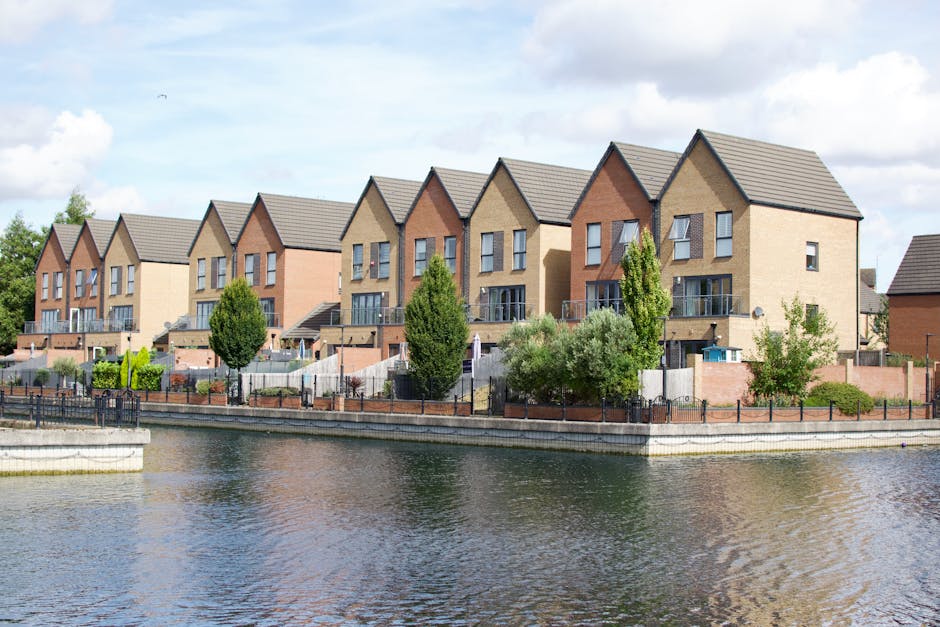
Moving in Meridian Water sounds straightforward until you meet the real challenge: tight access. Narrow turns, awkward parking, lift restrictions, shared entrances, long walks from the van, and those lovely little surprises that only show up on moving day. If that sounds familiar, this Meridian Water Enfield removals guide for tight access properties will help you plan calmly, avoid the usual headaches, and move with far less stress.
Truth be told, tight-access moves are rarely difficult because of the furniture. They are difficult because of the logistics. Once you understand the route, the timing, the loading strategy, and the right vehicle setup, the whole day becomes much more manageable. And if you are comparing support options, it can help to look at broader removal services in Enfield or a more flexible man and van Enfield solution before you commit.
This guide walks through what makes Meridian Water access tricky, how removals are usually handled, what to prepare in advance, and where people most often go wrong. You will also find a practical checklist, a comparison table, and a realistic example from a tight-access move. No fluff. Just the sort of advice that saves time on the day.
Why Meridian Water Enfield removals guide for tight access properties Matters
Meridian Water is a developing part of Enfield with a mix of new-build homes, apartment blocks, shared access areas, and streets that can feel much tighter than they look on a map. That matters because removals are not just about lifting boxes. They are about getting a vehicle close enough, keeping the route clear, protecting common areas, and making sure the move does not drag on because the van has to park half a street away.
In tight access properties, small delays stack up quickly. A short walk becomes multiple trips. A stairwell with awkward corners turns a simple sofa into a two-person puzzle. A loading bay that is already occupied can throw the whole schedule off. You can probably hear the trolley wheels and the front-door buzzer already.
What makes Meridian Water especially worth planning for is the variety. One move might be to a top-floor flat with lift access and time-limited parking; another might involve a maisonette with a narrow communal path and no turning space. Even when a property looks modern and easy, the access rules can be the thing that catches people out.
Expert summary: the better you understand the access before moving day, the more likely the move stays efficient, safe, and affordable. In tight-access areas, planning is not a bonus. It is the move.
How Meridian Water Enfield removals guide for tight access properties Works
A good tight-access removal starts before the van arrives. The process usually begins with a quick assessment of the property layout, the road access, the distance from the van to the front door, and any restrictions that may affect loading or unloading. That assessment helps decide vehicle size, crew size, packing order, and arrival timing.
For example, a smaller vehicle can sometimes save more time than a larger one if the larger van cannot park sensibly. A shorter walk and easier manoeuvring often beat brute capacity. That is one reason why flexible options like man with van Enfield or man and a van Enfield can work so well for properties with awkward access.
On moving day, the team will normally aim to:
- arrive at a time that suits the loading window and parking conditions
- check the safest route from property to vehicle
- protect floors, bannisters, and shared entrances where needed
- carry the heaviest items first if access allows it
- load in an order that avoids unnecessary reshuffling at the destination
That last point is easy to overlook. If your beds, wardrobes, or white goods are buried behind twenty smaller boxes, the unload becomes messy. Better to keep the essentials and larger pieces clearly separated. If you are still packing, the advice on packing and boxes in Enfield is worth a look because good packing and tight access go hand in hand.
A well-run move also leaves room for timing issues. Meridian Water traffic, apartment access, and local parking realities can all shift things slightly. A sensible removals plan builds in a bit of breathing room rather than pretending every minute will run perfectly. Let's face it, moving day rarely reads the script.
Key Benefits and Practical Advantages
Tight-access removals may sound like a headache, but there are real advantages to handling them properly. The biggest one is control. Once the access plan is clear, everything else becomes less reactive and more deliberate.
Here are the main benefits:
- Less wasted time - a shorter parking-to-door route reduces carrying time and fatigue.
- Lower damage risk - fewer awkward turns and fewer rushed lifts mean less chance of chipped paint, scratched floors, or scuffed furniture.
- Better cost efficiency - a compact, well-planned move often avoids the knock-on cost of delays.
- Less stress on the day - when the route and packing order are sorted, the move feels calmer.
- Safer handling - tight spaces are where injuries happen if people rush. Good planning helps everyone stay steady.
There is also a subtle benefit people do not always mention: good planning makes the whole home feel less chaotic. When items are packed with access in mind, you are not hunting for chargers, kettle boxes, or key documents while someone is waiting at the door. Those quiet little wins matter a lot.
If your move involves furniture, a specialist service can be especially helpful. A dedicated furniture removals Enfield approach is often more suitable than a general carry-and-go arrangement when stairways or corridor widths are limited.
Who This Is For and When It Makes Sense
This guide is for anyone moving to or from Meridian Water where access is not simple. That includes renters, first-time buyers, small families, students, landlords, and anyone relocating from a flat, apartment block, or converted property with narrow entry points.
It also makes sense if you are moving:
- from a top-floor flat with no easy lift access
- into a new-build development with loading restrictions
- from a street with limited parking or resident permit pressure
- through a shared hallway, courtyard, or gated entrance
- with bulky items such as beds, sofas, wardrobes, or a piano
For students or smaller households, tight access can be the deciding factor for vehicle choice. A smaller, agile setup may be enough. For larger households, you may need a more coordinated plan, possibly with storage if the timing is split. If that sounds like your situation, student removals Enfield and storage Enfield can both be relevant depending on the move size and sequence.
It is also worth considering whether you are trying to move in a hurry. Tight access plus a short deadline is where problems multiply. If the timing is urgent, a service such as same day removals Enfield may be the right route, provided access details are shared clearly upfront.
Step-by-Step Guidance
The easiest way to manage a tight-access move is to break it into stages. Not glamorous, perhaps, but effective.
- Measure the tricky parts
Check door widths, hallway turns, stair landings, lift dimensions, and any low ceilings or protruding fixtures. The tape measure is boring until it saves your sofa. - Check parking and stopping points
Work out where the van can legally and safely stop. In developments like Meridian Water, the difference between "nearby" and "useable" can be huge. - Make a moving inventory
List bulky items first, then fragile or high-priority items. This helps decide the right packing order and the best loading sequence. - Pre-pack with access in mind
Keep boxes manageable and label them clearly. Overfilled boxes are miserable in stairwells. Really miserable. - Reserve the route inside the property
Move shoes, prams, recycling, and loose clutter out of the way before the team arrives. You want a clean line from door to van. - Protect the surfaces
Use floor protection, blankets, or runners where appropriate, especially in shared hallways or newly finished interiors. - Load in the right order
Heavier items go on first, fragile items are secured carefully, and essential items should stay accessible for quick unloading.
On the day, it often helps to have one person act as the point of contact. Too many instructions from different people can create confusion. One voice, one plan. Simple.
If you want the schedule to fit around work, school runs, or building restrictions, use a service that can accommodate specific delivery windows. The option to deliver at the best time for you can make a big difference when access is time-sensitive.
Expert Tips for Better Results
Some of the best tight-access tips are surprisingly ordinary. They are ordinary because they work.
- Photograph the access points - a few pictures of entrances, stairs, parking space, and any obstacles help the crew prepare properly.
- Separate "must have today" items - keep medication, documents, chargers, and basics in a clearly marked bag.
- Use smaller boxes for books and kitchen items - heavy boxes are a nightmare on stairs, and nobody enjoys a wobbly stack at the lift door.
- Keep furniture hardware together - screws, handles, and bed fittings should be bagged and labelled immediately.
- Check lift times if the building has one - some blocks have protected hours or booking rules, which can quietly shape the whole move.
- Tell neighbours if needed - a little warning about moving activity can reduce friction in shared spaces.
One small but useful habit: pack a "first twenty minutes" box. Kettle, mugs, tea, phone charger, bin bags, toilet roll, and a basic toolkit. It sounds dull. It is not dull when you are standing in an empty kitchen at dusk, hearing the van door shut for the last time.
If your item list includes specialist pieces, a dedicated service can help. For example, delicate or oversized objects often belong with piano removals Enfield or another carefully planned handling approach rather than a standard quick load.
Common Mistakes to Avoid
Tight access moves tend to fail for ordinary reasons, not dramatic ones. The usual mistakes are simple, which is annoying because they are so avoidable.
- Underestimating the walking distance - a few extra metres matter when you are making repeated trips with furniture or boxes.
- Not checking parking rules - if the van cannot stop where you expected, the whole timeline changes.
- Packing boxes too heavy - staircases punish bad packing very quickly.
- Forgetting communal access restrictions - buzzer systems, lift bookings, and estate rules can delay unloading.
- Leaving dismantling until the morning of the move - furniture that needs to come apart should already be loosened, where safe and possible.
- Not telling the removals team about odd obstacles - a low archway, narrow landing, or awkward gate is useful to know before the van is parked.
Another common one is planning around ideal conditions instead of likely conditions. If you expect a clear drop-off point but the building has other residents, deliveries, or access bottlenecks, build in time for that. Better to be ready than to stand there saying, "that wasn't on the plan," to nobody in particular.
Tools, Resources and Recommendations
You do not need a toolbox the size of a workshop. A few practical items go a long way in a tight-access move.
| Tool or item | Why it helps | Best use in Meridian Water moves |
|---|---|---|
| Measuring tape | Checks furniture, doors, lifts, and turning space | Before booking the vehicle or dismantling bulky pieces |
| Furniture blankets | Protects surfaces during tight manoeuvres | Hallways, stairwells, and shared entrances |
| Ratchet straps | Keeps items secure in transit | Short or long loading runs where items must not shift |
| Label stickers or marker pens | Makes room allocation quicker | When boxes need to be placed fast at the destination |
| Trolley or sack barrow | Reduces repeated lifting | Longer carry distances or heavier loads |
Good preparation also includes asking the right questions before you book. If you want a clearer overview of available moving support, the services overview page is a sensible place to start. For storage or mixed-size moves, a mix of services can be more practical than forcing everything into one rigid plan.
For larger or more structured moves, people sometimes compare transport options through removal van Enfield or look at removals Enfield more broadly. The right choice depends on access, volume, and how much lifting is involved.
Law, Compliance, Standards, or Best Practice
For most home moves, there is no special legal drama, but there are still sensible standards to keep in mind. In the UK, removals work should be carried out with care for safety, access rights, property protection, and responsible vehicle use. If the move involves communal spaces, you should also respect building rules, residents' access, and any agreed parking restrictions.
Best practice usually includes:
- safe lifting and carrying methods
- clear communication about access limitations
- reasonable care with floors, doors, and walls
- adequate vehicle insurance and item protection where offered
- honest quotation practices based on the real move conditions
If a move is in a block with managed access, the main practical rule is simple: do not assume. Confirm the lift booking, loading point, or estate restrictions before the day. It saves disputes later and keeps the move smoother for everyone involved.
It is also wise to check the company's own policies on safety, insurance, and complaints handling if you are comparing providers. Pages such as insurance and safety, health and safety policy, and complaints procedure help you understand what level of care and accountability you can expect.
Nothing glamorous here, but this is exactly the part that protects you when access is tricky and the furniture is larger than the hallway wants to admit.
Options, Methods, or Comparison Table
When access is tight, the moving method matters as much as the destination. Here is a practical comparison of the most common approaches.
| Method | Best for | Strengths | Possible drawbacks |
|---|---|---|---|
| Small van with man and van support | Narrow streets, short carry distances, lighter loads | Flexible, nimble, easier to park | May need more trips for larger households |
| Standard removals van | Medium-sized moves with decent access | Good capacity, efficient loading | Can be harder to position in very tight streets |
| Split move with storage | Moves with timing gaps, renovations, or delayed completion | Flexible timing, less pressure on one day | Requires extra coordination and planning |
| Specialist handling for bulky items | Pianos, oversized furniture, awkward heirlooms | Better protection and safer handling | Can take longer to arrange |
For some households, the best fit is a highly flexible local service. For others, it is a fuller moving package with more hands on the day. If you are comparing providers, looking at removal companies Enfield can help you see which type of support matches your property access and volume of items.
There is no single perfect option. The best one is the one that fits your stairs, your parking, and your patience level. That last one matters more than people think.
Case Study or Real-World Example
Here is a realistic example. A couple moved from a second-floor Meridian Water flat into a nearby house, but the flat entrance opened onto a shared pathway with no direct van access. The lift was usable, but only for part of the day because of building traffic. Their sofa would fit through the front door, but the route inside was tight, and the parking space nearest the block was often occupied.
Their solution was simple, and it worked well:
- they measured the sofa, bed frame, and fridge before moving day
- they packed smaller boxes for the staircase
- they reserved parking in advance where possible
- they kept the main corridor clear from the flat to the exit
- they had one person managing access and communication at the property
The move still took effort. Of course it did. But it did not become a scramble. The most important change was that they treated the access issue as the main planning point, not a side note. By late afternoon, the biggest items were in place, the kettle was unpacked, and the new place already felt like somewhere they could breathe.
If they had ignored the access details, the day would probably have involved more back-and-forth, more waiting, and a lot more heavy lifting. Sometimes the quiet prep is what saves the whole thing.
Practical Checklist
Use this checklist a few days before the move. If even half of it is sorted, you are in decent shape.
- Measure doors, stairs, lifts, and furniture
- Confirm parking or stopping space near the property
- Check lift booking rules or loading restrictions
- Label fragile boxes and essential boxes clearly
- Pack heavy items in smaller boxes
- Dismantle furniture if it needs to fit through narrow spaces
- Photograph access points and any awkward corners
- Keep hallways and entrances clear
- Prepare a first-night essentials bag
- Share any access issues with the removals team early
- Keep keys, documents, and chargers somewhere easy to reach
- Have one named contact available on moving day
If you are still in the planning stage, you can also browse practical moving support and the local man with a van Enfield option for smaller or more flexible access situations. For people who want to arrange their own packing first, a clear process helps, and the advice on pack your items and wait for us to come can make timing feel less chaotic.
Get a free quote today and see how much you can save.
Conclusion
Meridian Water tight-access moves are absolutely manageable, but only if you respect the access from the start. Measure properly, pack sensibly, check parking and lift rules, and choose the type of moving support that fits the property rather than hoping a bigger van will magically fix everything.
That is the real lesson here. In a place like Meridian Water, the move goes well when the details are treated as part of the plan, not afterthoughts. Once you do that, the day feels less like a rush and more like a job being handled properly. Steady, calm, and yes, a bit tiring. But workable.
If you are preparing for a move soon, take a breath, do the measurements, and line up the access details before anything else. That one habit can turn a stressful day into a far more ordinary one. And ordinary is lovely when you are moving house.
Frequently Asked Questions
What counts as a tight access property in Meridian Water?
Usually, it means a property where parking, turning, loading, or carrying furniture is awkward. That might be a narrow street, a shared courtyard, a long walk from the van, or a flat with stairs and no easy lift access.
Should I book a smaller van for a tight-access move?
Often, yes. A smaller vehicle can be easier to park and position close to the entrance, which may save more time than a larger van with poor access. The best choice depends on the amount of furniture and the layout outside the property.
How far in advance should I measure access points?
As early as you can. Ideally, do it before booking if you have bulky items or a tricky building. Door widths, stair turns, lift sizes, and parking distance all matter more than people expect.
Can removals be done if parking is limited?
Usually, yes, but the move needs better planning. If the van cannot stop directly outside, the team may need extra carry time, more protection for items, or a revised schedule. Clear communication upfront is the key.
What should I tell the removals team before moving day?
Share any lift restrictions, parking limits, shared entrances, low ceilings, narrow staircases, gate codes, and bulky items that may need dismantling. The more accurate the access details, the smoother the move.
Is a man and van service enough for a Meridian Water flat move?
For some smaller or medium moves, yes. It can be a strong choice when access is tight because the vehicle is usually more flexible. For bigger household moves, you may need a fuller removals setup.
Do I need to dismantle furniture before the move?
If it helps the item fit through narrow spaces or around awkward corners, then yes. Beds, tables, and some wardrobes are often easier to move in pieces. Just keep fittings and screws bagged and labelled.
How can I protect communal areas during a move?
Use floor protection where needed, keep hallways clear, avoid blocking shared doors, and move carefully around corners and walls. It is also sensible to let neighbours know if the move may be busy or noisy.
What if my move needs storage because access or timing is awkward?
Storage can be very useful if completion dates do not align, if renovations are unfinished, or if you need to split the move into stages. It reduces pressure on the day and gives you more breathing room.
How do I keep the move from taking longer than expected?
Pack in smaller, labelled boxes, clear the route through the property, confirm parking early, and keep essentials separate. Honestly, the biggest time-saver is usually preparation, not speed.
Are there any safety concerns with tight-access removals?
Yes, mainly around lifting, trips, slips, and damage in narrow spaces. Safe lifting methods, good footwear, clear communication, and sensible packing all help reduce those risks.
How do I choose the right moving provider for Meridian Water access issues?
Look for a provider that asks detailed questions about the property, gives clear pricing, and offers a service that matches your layout and volume. If you want to compare support levels, the broader removal services in Enfield pages can help you think through the options.
What is the most common mistake people make with tight access moves?
They assume the access will be easier on the day than it looked in person. That one assumption causes most of the stress. A proper walk-through, a few measurements, and honest timing usually fix it before it becomes a problem.
Where should I start if I want help planning a tight-access move?
Start with the access details, then check your packing plan, then compare the right moving support. If you are ready to speak with someone, the team's contact page is the simplest next step.